 HR & People Teams
 Marketing Teams
 Sales Teams
 Building Culture
 Brand Consistency
 Building Relationships
 Generating Sales
 Standing Out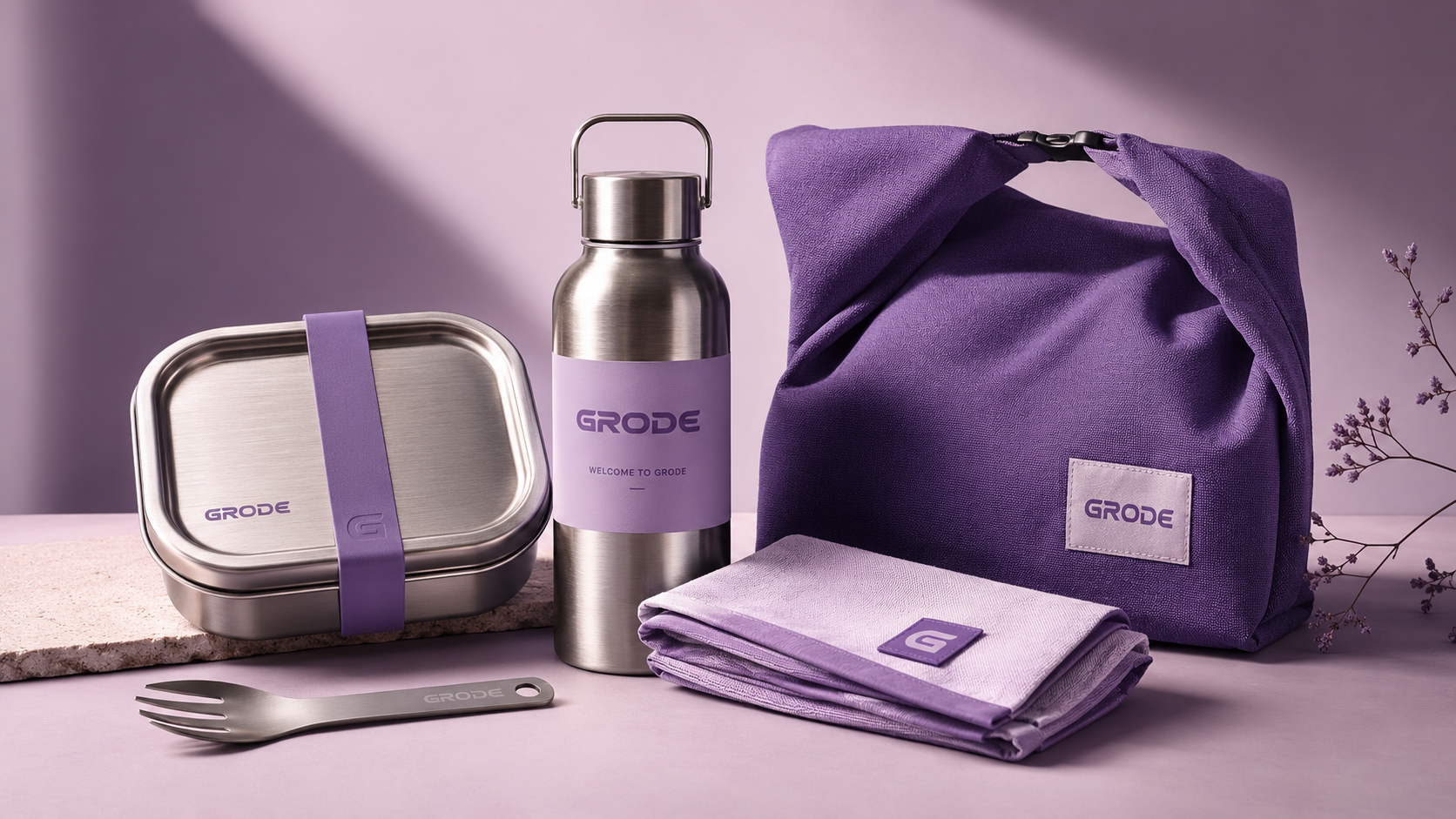
Culture isn’t built in policy docs or all-hands meetings.
It takes shape in the everyday moments where people feel welcomed, appreciated, connected, and proud to represent the brand they work for.
Smart merch plays a powerful role in creating those moments.
Not because it’s “free stuff,” but because it’s a physical expression of how your company shows up for its people.
Most companies get merch wrong.
They order cheap items, give them out inconsistently, or drop them without intention. And the result? Zero cultural lift.
Culture-building merch isn’t about handing out more things. It’s about creating meaningful touchpoints that reinforce belonging, appreciation, and shared purpose.
Here’s how merch helps build culture the smart way.
Belonging starts on day one
No moment shapes culture more than someone’s first impression. A thoughtful onboarding kit sets the tone immediately. It says: you matter here, we’re invested in you, and you’re part of something bigger than a job description.
When new hires receive premium apparel, useful gear, and a welcome message that feels personal, they step into their role with confidence and pride. That emotional lift carries long past their first week.
Belonging doesn’t happen by accident. Merching it intentionally helps it happen sooner.
Recognition becomes real
Recognition drives engagement, but only when it feels sincere. A generic shoutout or digital message is forgotten. A meaningful, well-designed gift turns recognition into a moment.
Whether it’s a promotion, major project win, or the end of a tough quarter, merch creates a physical symbol of appreciation — something to hold, something to keep, something that reinforces that their work mattered.
Recognition becomes culture when it becomes tangible.
Rituals anchor identity
Culture becomes powerful when it becomes rhythmic. Seasonal drops, kickoff kits, anniversary gifts, or mission-themed releases give teams something to rally around.
When merch becomes a ritual, it creates anticipation, unity, and shared identity.
These rituals turn your brand into something employees can touch, wear, and carry with them — not just something they hear about.
Culture is reinforced through repetition. Merch makes that repetition exciting.
Choose merch people actually want
Nothing undermines culture like merch no one uses. If the product is low-quality or too promotional, employees won’t adopt it.
Merch only strengthens culture when it becomes part of someone’s real life. That means choosing items with:
- Premium feel
- Everyday use
- Modern aesthetic
- Comfort
- Lifestyle alignment
When merch feels good enough to use outside the office — on weekends, in gyms, on commutes — it amplifies identity and pride beyond company walls.
Great merch says, “We take pride in our brand, and we want you to as well.”
Celebrate the moments that matter
Culture isn’t just shaped by big wins. It’s shaped by transitional moments too — the end of a demanding sprint, a team breakthrough, a shift in direction, the launch of something new.
Strategic merch brings weight to these moments. It creates emotional markers employees remember and associate with progress, unity, and momentum.
Culture grows when you acknowledge what matters, big or small.
Build a brand people want to represent
At its core, culture thrives when employees feel proud of where they work. When your merch is designed with intention — elevated materials, consistent identity, refined design — employees choose to represent your brand.
Not because they’re asked to, but because they want to.
That’s the difference between swag and a culture signal: one gets tossed, the other gets worn.
The Bottom Line
Culture is built through moments.
Merch creates those moments.
When it’s intentional, premium, and aligned to your brand, merch helps you:
- Welcome new hires with confidence
- Recognize people in meaningful ways
- Build rituals that unify teams
- Boost morale and belonging
- Strengthen identity across locations
- Reinforce pride and purpose
Smart companies build culture people can feel — and merch is one of the most powerful ways to make that happen.